posted
on 1/13/2026
in
BLOGS from St. Anthony
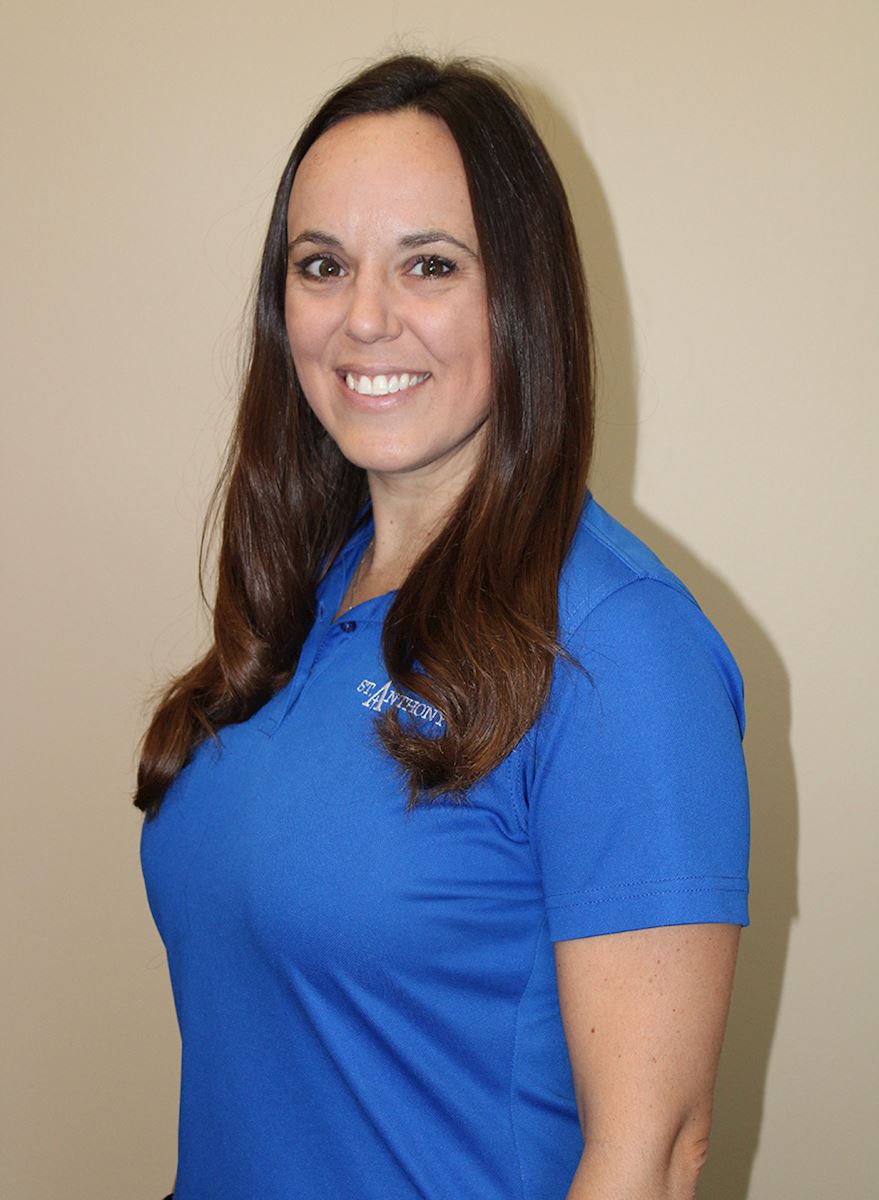
Sasha Bloyer, RD, LD, clinical dietitian at
St. Anthony Regional Hospital |
“I think the big thing going into the new year is it gives everyone a time to start fresh with new goals,” says Sasha Bloyer, RD, LD, clinical dietitian at St. Anthony Regional Hospital. “Whatever these goals might be — fitness or nutrition — I always encourage everyone to set small, achievable goals and then build on those goals throughout the year.”
Often, people go big with their goals. They start strong at the beginning of the year, but then life happens and plans get derailed. Goals are sometimes put by the wayside or feel increasingly difficult to reach with each passing month. The good news is that when you start small, it’s easier to regain momentum if you miss a few days (or even weeks) of your new health-focused routine.
Bloyer stresses sticking to “S.M.A.R.T.” — or “specific, measurable, achievable (or attainable), relevant and time-bound” — goals. Here are a few examples of how you can replace broad resolutions with smaller, more attainable S.M.A.R.T. goals in 2026.
Old goal: Lose 50 pounds by the end of the year.
S.M.A.R.T. goal: Lose five pounds (and keep it off) by March 31, 2026.
If your goal is to lose weight in the new year, start with a realistic first step. If your long-term goal is to lose 50 pounds, begin with five pounds and build from there. Setting a clear time frame to achieve that first goal helps keep you focused. For example, “I want to lose five pounds within three months.” Once you reach that milestone, you can add to it, eventually working up to that higher number.
“Give yourself a way to track your progress — that way, you can reach that milestone and then say where you’re going next,” says Bloyer. “Goals should be smart, realistic and attainable. You don’t want to set that huge goal of losing 50 pounds right up front. Set those small goals and just keeping building on them. It might take one month; it might take three months. Just be accountable to yourself.”
Once you’ve set your first goal, the next step is deciding how you’ll get there. One thing Bloyer recommends is remembering why you’re doing it in the first place.
“It’s important to remember why you are working toward this [goal],” says Bloyer. “For better health, to be more active for your kids or grandkids, to go up and down stairs without feeling winded. It’s important to ‘find the why’ so that you don’t lose that focus. When you have hard days, you need to go back and remember why you’re doing this.”
Old goal: Start a new diet fad that will change my eating habits in the new year.
S.M.A.R.T. goal: Incorporate one vegetable or fruit into at least one meal each day in 2026.
Want to eat healthier this year? Changing your entire diet overnight can be overwhelming. A S.M.A.R.T. goal can be as simple as incorporating a vegetable or fruit into your daily meals.
Nutrition-wise, Bloyer encourages people to look at all food groups. “Color in your diet is important,” she stresses. “Fruit and veggies are something a lot of us can lack in our daily habits.”
Consider starting by adding a fruit to your breakfast and a veggie to your dinner plate. Bloyer also recommends keeping a food journal or using a nutrition app to help stay on track and accountable.
Old goal: Cut out sugar in 2026.
S.M.A.R.T. goal: Compare sugar content on at least two food labels during each grocery outing and choose the option with the lesser amount.
If cutting back on unhealthy foods is your goal, you don’t have to eliminate added sugars, salt and other concerns all at once. You can gradually cut back by comparing food labels before you solidify your purchase.
“Reading food labels is important,” says Bloyer. “They can often be overwhelming for people looking at them, so pick one or two things to look at to start.”
For example, check the added sugars in sports drinks or the milligrams of sodium in your favorite snack. Compare labels and select the option with less sodium or sugar. Bloyer also recommends paying attention to serving sizes.
“Our idea of a serving size doesn’t always match what’s on the package,” she notes. “At the end of the day, don’t look for the perfect food, just look for the better food. What’s the better option?”
Old goal: Get in an hour of cardio seven days a week.
S.M.A.R.T. goal: Walk 20 minutes a day, five days a week.
While an hour of cardio a day may be ideal, it’s not always realistic for those with limited mobility, who haven’t worked out in a while or whose time is spread thin. Bloyer recommends aiming for an average of 150 minutes of physical activity per week — that could be up to 20 minutes a day — but start small if you’re not used to exercising.
“We might start with going on one walk a week for 10 minutes, then we get it up to twice a week for 20 minutes and so on,” she says. “A lot of times, we start lower and work our way up. And it’s important to find something you enjoy doing, then you can look forward to it. Whether that’s walking, going to the gym or swimming. And having someone to do it with helps a lot.”
Bloyer also encourages people to avoid overwhelming themselves at the beginning. Find a S.M.A.R.T goal that work best for you. Everyone is different, and one way of exercising or eating to feel your best may not work for someone else. Progress, not perfection, is the goal, so keep moving forward, even when you experience setbacks.
“Accountability is something we all struggle with. We can set goals every day, but if we don’t stay accountable to ourselves, it’s hard to achieve those goals,” says Bloyer. “Ask a family member, friend or coworker to check in on you. Or maybe do it together to help keep you on track. If you have someone counting on you, you’re more likely to follow through, even on the hard days. Having a buddy system can help you stay consistent with your goals.”
If you’d like to meet with a registered dietitian for more tips on healthy habits and better nutrition, contact St. Anthony Regional Hospital’s on-site clinical dietitians at dietitians@stanthonyhospital.org. Our team supports patients with weight management, diabetes education and more.
Here’s to a healthy year ahead!