posted
on 2/2/2026
in
BLOGS from St. Anthony
Heart disease remains a leading health concern in the U.S., with approximately 805,000 people experiencing a heart attack each year.
For those recovering from a heart attack, heart surgery or another heart-related diagnosis, regaining strength and independence is just as important as prevention. Cardiac rehabilitation plays a critical role, helping patients safely rebuild physical health, manage risk factors and return to everyday life with greater confidence.
Structured Care for Heart Recovery
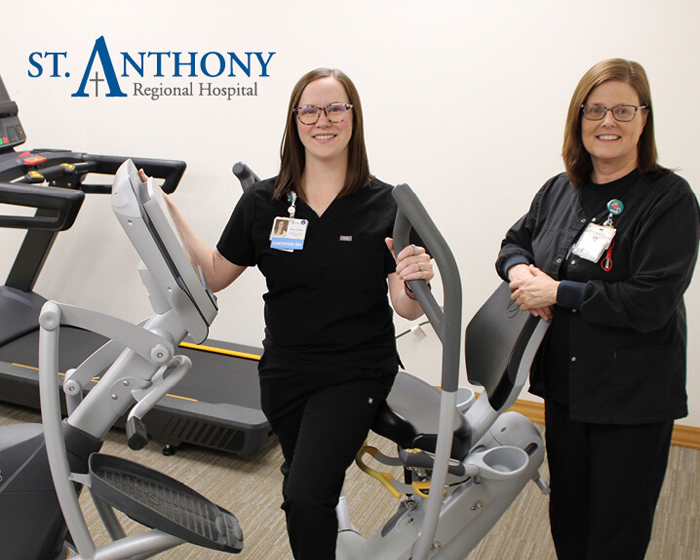 |
| Kallie Smits, BSN, RN, CCRP, clinical supervisor of cardiac and pulmonary rehab and Tricia Daniel RN, CCRP |
At St. Anthony Regional Hospital, cardiac rehabilitation is a medically supervised outpatient program that helps patients recover after a heart attack, heart surgery, stent placement or heart failure. Participants typically attend two to three sessions per week for six to eight weeks, with each lasting about an hour.
“During these sessions, patients exercise while we monitor their heart and blood pressure,” Kallie Smits, BSN, RN, CCRP, clinical supervisor of cardiac and pulmonary rehab at St. Anthony, explained. “Each participant receives a personalized treatment plan tailored to their diagnosis, including guidance on exercise, nutrition, stress management and other health factors. Our goal is to build their strength, stamina and confidence while ensuring the heart is functioning properly.”
The program combines three core elements: guided exercise to strengthen the cardiovascular system, education to promote heart-healthy living and counseling to manage stress — a critical factor in heart health. Patients leave cardiac rehab better prepared to manage their health, reduce the risk of future cardiac events, control symptoms and improve long-term outcomes, including a potential increase in life expectancy of up to five years.
“Patients often tell us they’re surprised by how much they enjoy the rehab program,” Kallie added. “Many people who’ve never exercised before come in hesitant, and by the time they’re ready for discharge, they don’t want to leave. Exercising in a safe environment and discussing their health helps them feel stronger and improves their mood and outlook on life.”
Beyond Exercise: Education and Emotional Support
In addition to aiding physical recovery, the cardiac rehab staff at St. Anthony provides patients with the knowledge and resources needed to manage their health long term. Recovery is a team effort — participants partner with doctors, nurses and pharmacists, along with friends and family members, to take charge of the choices, lifestyle and habits that affect their heart.
“Patients receive education specific to their diagnosis and procedure, including how to modify personal risk factors to prevent future heart events,” Kallie said. “We also cover diet, medications and what they can safely do at home for exercise. Many people don’t realize how important monitoring salt and fat intake is or how small changes, like a 10- to 20-minute walk or moving around during TV commercials, can help manage heart disease and even diabetes.”
The program also emphasizes stress management, sleep and other lifestyle factors that affect cardiovascular health. With consistent guidance, patients learn how to adopt small, sustainable habits that protect and strengthen their heart.
Heart Health Starts Earlier than Many Realize
Thinking about heart health shouldn’t wait until after a cardiac event. Heart disease increasingly affects younger adults, making early prevention critical — especially in your 20s and 30s. Factors such as obesity, poor nutrition, tobacco use, physical inactivity and chronic stress all contribute to long-term cardiovascular risk, often years before symptoms appear.
“I don’t think it can ever start too young,” Kallie said. “At 32, I’m already thinking about what I can do to prevent plaque buildup that leads to heart attacks. The age of people having heart attacks is trending younger — it used to be mostly retired individuals, and now we’re seeing those in their 40s and 50s who are still working. A lot of that comes back to lifestyle stress and diet, especially high-sodium, highly processed foods.”
Know the Warning Signs — and When to Seek Care
Heart-related symptoms aren’t always obvious, but certain warning signs should never be ignored. Common signs include:
- Chest pain or pressure
- Shortness of breath with exertion
- Pain that radiates down the arm or into the neck and jaw
- Discomfort between the shoulder blades
- Severe indigestion that doesn’t improve with antacids
“Sometimes it’s shortness of breath during activities that were never a problem before,” Kallie said. “You might walk out to get the mail and suddenly find you can’t make it to the mailbox because you’re so short of breath. Other times, it’s pain down the arm and into the neck and jaw, discomfort between the shoulder blades, or the worst indigestion you’ve ever had.”
Symptoms can also differ between men and women. While chest pain remains the most common heart attack symptom for women, they are more likely to experience atypical signs — which can make it easier to dismiss or delay care — including:
- Anxiety
- Shortness of breath
- Nausea or vomiting • Upset stomach
- Pain in the shoulder, back or arm
- Unusual tiredness or weakness
“If you’re experiencing crushing chest pain, especially if it radiates into your arm, neck or jaw, severe shortness of breath, or indigestion that isn’t relieved by antacids, seek medical care immediately,” Kallie said.
Supporting Heart Health Close to Home
American Heart Month highlights the importance of prevention, awareness and recovery. Recognizing warning signs and seeking prompt care are critical first steps, but ongoing support is just as essential for those recovering from a heart event. Access to high-quality, local cardiac rehab can make a meaningful difference in this journey.
Through supervised exercise, individualized education and consistent guidance, St. Anthony’s team helps patients regain strength, build confidence and adopt healthy habits that last. This program bridges the gap between hospital care and everyday life, ensuring participants have the resources they need to continue improving their cardiovascular health beyond their procedures.
To learn more about cardiac rehabilitation services at St. Anthony Regional Hospital, visit our website or speak with your care team about a referral.